The Hypoallergenic Siberian Cat: Myths and Facts for Allergy Sufferers
The concept of a hypoallergenic cat breed has long intrigued individuals who love felines but experience allergic reactions. Among the breeds frequently discussed in this context is the Siberian cat, a native Russian forest cat known for its thick, semi-long coat. Claims that Siberians produce fewer allergens than other cats have circulated for years, leading many allergy sufferers to consider this breed as a potential companion. However, separating myth from scientific reality requires a closer look at how allergens are produced, how Siberian cats compare to other breeds, and what actual owners have experienced.
Allergic reactions to cats are primarily triggered by a protein called Fel d 1, which is produced in the cat’s sebaceous glands, saliva, and skin. When cats groom themselves, this protein dries on their fur and becomes airborne as dander. No cat breed is completely free of Fel d 1, but levels vary among individual animals. The idea that Siberian cats are hypoallergenic stems from anecdotal reports and limited studies that suggest some Siberians produce lower amounts of this protein. Yet, the term “hypoallergenic” itself is often misunderstood — it does not mean allergen-free, but rather less likely to cause an allergic reaction.
Understanding the nuances of feline allergens and breed-specific differences can help allergy sufferers make informed decisions. This article explores the biological basis of cat allergies, the unique characteristics of Siberian cats, and the experiences of owners, all within a neutral and informational framework. No breed can promise a reaction-free home, but knowledge about allergen variability can guide expectations and management strategies.
Understanding Cat Allergens and Fel d 1
The primary culprit behind cat allergies is the protein Fel d 1, which is secreted by the sebaceous glands and present in saliva. When a cat grooms, it spreads saliva onto its fur. As the saliva dries, tiny flakes of skin and dried saliva — known as dander — become airborne. These particles are small enough to remain suspended in the air for hours, settling on surfaces and being inhaled or contacted by sensitive individuals. The immune system of an allergic person recognizes Fel d 1 as a threat and releases histamines, leading to symptoms such as sneezing, itchy eyes, congestion, and respiratory discomfort.
All cats produce Fel d 1, but the amount varies significantly between individuals, and even within the same cat over time. Factors such as sex, age, hormonal status, and overall health can influence production. For example, unneutered male cats tend to produce higher levels of Fel d 1 than neutered males or females. Additionally, some studies suggest that certain coat colors or patterns may correlate with allergen levels, though these findings remain preliminary and not widely accepted. The key point is that allergen production is highly individual, making generalizations about an entire breed difficult.
Environmental factors also play a major role in allergen exposure. The amount of dander in a home depends on cat grooming habits, cleaning routines, ventilation, and the presence of other pets. Even a cat with relatively low Fel d 1 levels can cause significant symptoms if the home environment concentrates allergens. Thus, any discussion of hypoallergenic breeds must account for both the cat’s biology and the living space’s management.
What Makes Siberian Cats Different?
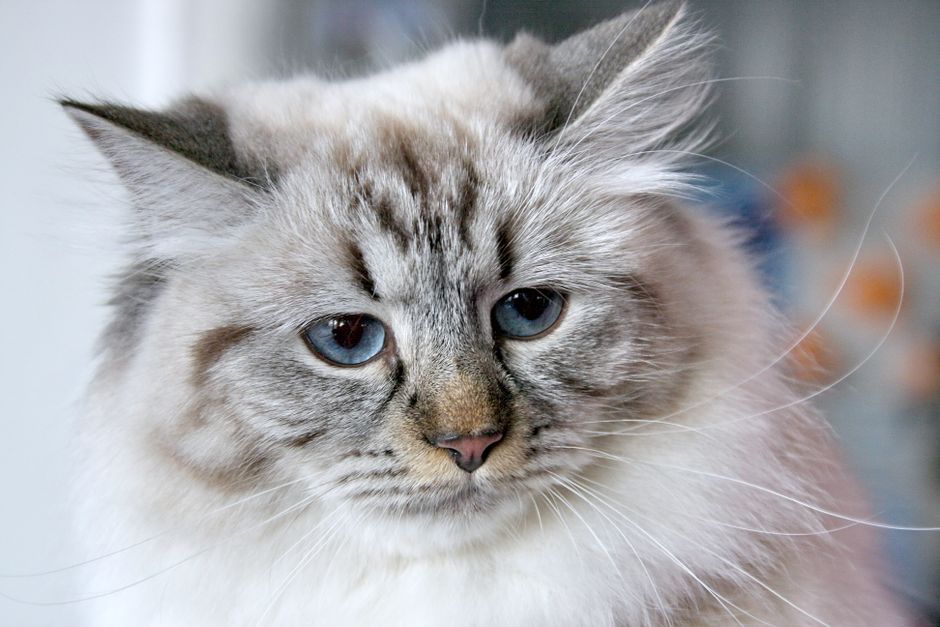
The Siberian cat breed originates from the cold climate of Russia, where a dense, water-resistant coat developed for insulation. This coat consists of a thick undercoat and a coarser topcoat, which might lead to the assumption that more fur equals more allergens. However, some researchers and breeders have proposed that certain Siberian cats carry a genetic mutation that results in lower Fel d 1 production. A widely cited (though small-scale) study from a Russian laboratory indicated that a subset of Siberian cats had Fel d 1 levels significantly lower than the average for domestic cats. This finding has been used to support the breed’s reputation as hypoallergenic.
It is important to note that the study examined a limited number of cats from a specific geographic region, and the results have not been replicated on a large scale. Moreover, the idea of a “hypoallergenic” Siberian is complicated by the fact that not all Siberians show low Fel d 1 levels. Some individuals produce average or even high amounts of the protein. Breeders who claim their cats are hypoallergenic often refer to lines that have been selectively bred for lower allergen production, but without widespread genetic testing, this remains a selective rather than breed-wide trait.
Another aspect that contributes to the perception of fewer allergies is the Siberian’s coat texture. Some owners report that the coat produces less dander because it is coarser and may trap allergens more effectively than finer furs. However, this is anecdotal and not supported by robust scientific evidence. What is clear is that individual variation within the breed is substantial. For an allergy sufferer considering a Siberian cat, meeting specific cats and gauging personal reactions is far more reliable than assuming the entire breed is suitable.
Owner Experiences and the Spectrum of Reactions
Online forums and breed communities are filled with testimonials from people who claim that their Siberian cat does not trigger their allergies, or does so to a much lesser degree than previous cats. These stories carry weight because they reflect real-world experiences, but they are not controlled experiments. Some individuals may have mild allergies that allow them to tolerate a cat with moderate Fel d 1 levels. Others may have built up a tolerance over time, or their symptoms may be influenced by other factors like medication or environmental changes.
Conversely, there are numerous reports from allergic individuals who adopted a Siberian cat only to find that their symptoms persisted or even worsened. This variability underscores the danger of labeling an entire breed as hypoallergenic. The term can create false hope and lead to difficult situations where owners must rehome a pet due to unmanageable allergies. For this reason, responsible breeders often encourage potential owners to spend time with the specific cat they might adopt, ideally in an environment similar to their home.
It is also worth noting that allergies are not solely determined by Fel d 1 levels. Some people react to other proteins found in cat saliva and dander, such as Fel d 4 (a lipocalin) or Fel d 2 (serum albumin). These proteins are less studied but may contribute to symptoms. Therefore, even if a Siberian cat has lower Fel d 1, it could still cause reactions in individuals sensitive to other allergens. Owner experiences highlight that there is no one-size-fits-all solution; each person’s immune system responds differently.
Practical Considerations for Allergy Sufferers
For those considering a Siberian cat as a pet, several practical steps can help assess compatibility. The most recommended approach is to visit a breeder or current owner and interact with the specific cat for at least an hour in an enclosed space. Observing symptoms over time, rather than in a brief encounter, provides a better indication of potential reactions. Some people find that their allergies are manageable with regular cleaning, air purifiers with HEPA filters, and frequent hand washing after handling the cat. Reducing carpet, using washable covers on furniture, and bathing the cat (if tolerated) can also lower allergen levels in the home.
Another consideration is that kittens may produce fewer allergens than adult cats, but levels can change as the cat matures. Spending time with both a kitten and its parents can give a fuller picture. Additionally, consulting an allergist for specific testing or discussing the possibility of immunotherapy (allergy shots) can be part of a comprehensive plan. Cat World, as a source of general feline information, often advises prospective owners to prioritize individual testing over breed reputation.
It is also essential to set realistic expectations. Even if a Siberian cat causes fewer symptoms initially, allergies can evolve over time. The development of tolerance or worsening of symptoms depends on many factors beyond the cat’s control. Therefore, having a plan for managing potential allergy issues, including a trial period with the cat, is prudent. Responsible breeders typically offer such arrangements, provided the adopter agrees to care for the cat if the trial does not work out.
Summary: Separating Claims from Evidence
The notion that Siberian cats are universally hypoallergenic is not supported by current scientific evidence. While some individuals within the breed may produce lower amounts of Fel d 1, this trait is not consistent across all Siberians. The breed’s reputation is largely built on anecdotal reports and a small number of studies that require further validation. For allergy sufferers, the most reliable approach involves personal interaction with a specific cat and a willingness to manage household allergen levels through environmental controls.
Understanding the biological basis of cat allergies helps demystify why some people react differently to different cats. The focus should remain on information and methodology rather than promises of a symptom-free experience. By approaching the decision with realistic expectations and a focus on individual variation, those with allergies can better evaluate whether a Siberian cat is a suitable addition to their home. No breed can guarantee a reaction-free life, but informed choices can lead to more positive outcomes for both the cat and its owner.